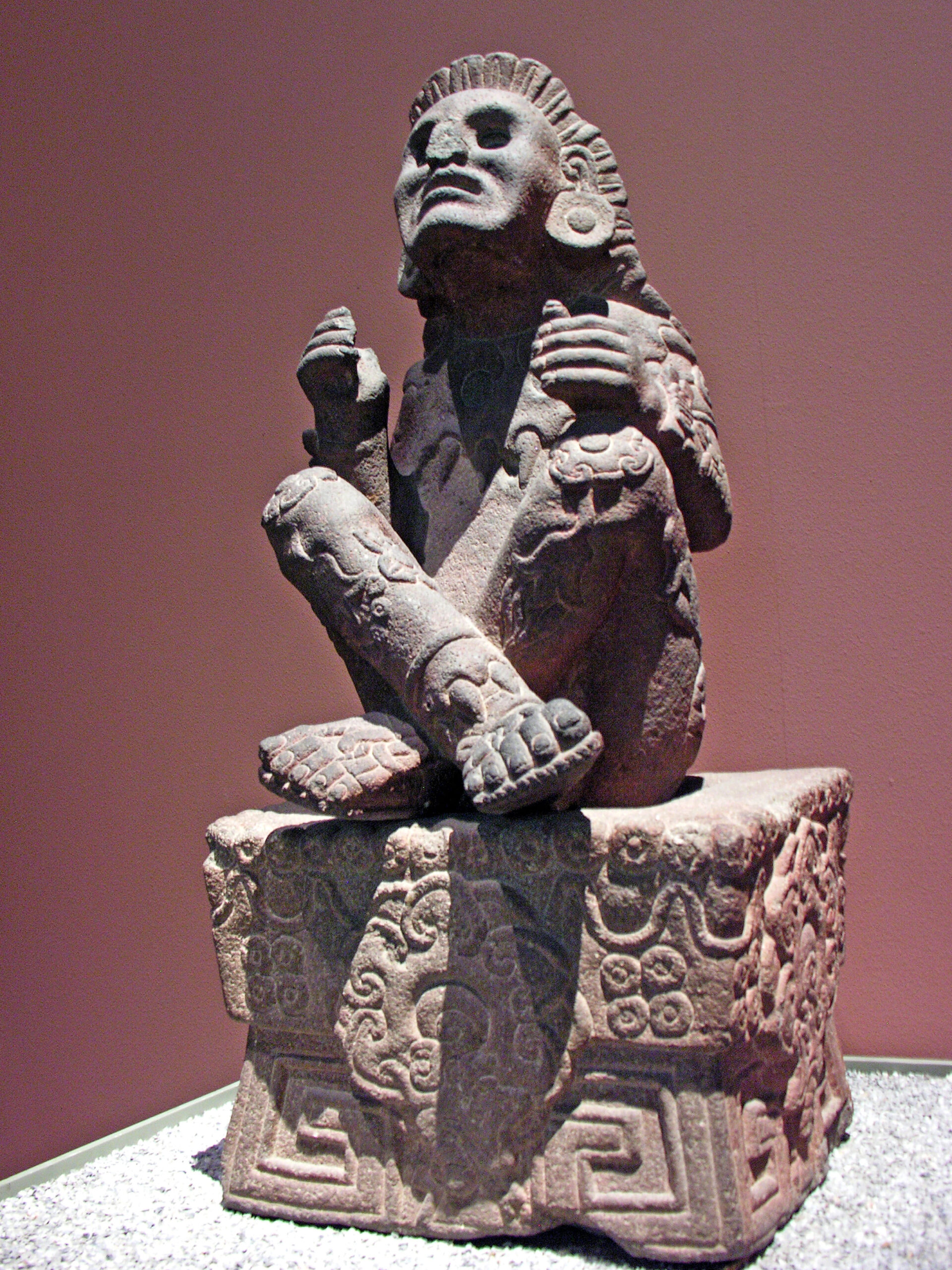
The Ecstatic Foot “[E]cstasy in this statue is of the essence. The skyward tilt of the head, the half-open mouth and jutting jaw, the hands poised in the air at different levels, the crossed legs and feet raised off the ground : here is the work of a master, a supreme carving of a man enjoying an unearthly […]
Against Linear Time It may be useful to separate stories about the past returning from stories in which the past never properly went anywhere. Haunting usually presupposes chronology: something happened, ended, and subsequently intrudes upon the present. Garner’s stranger temporal effects often seem to abolish that sequence altogether. The events are not repeating so much as happening.
Evolution of an Alan Garner poem Side-by-side comparison of “Island of the Strong Door,” later renamed “Jenkin.”
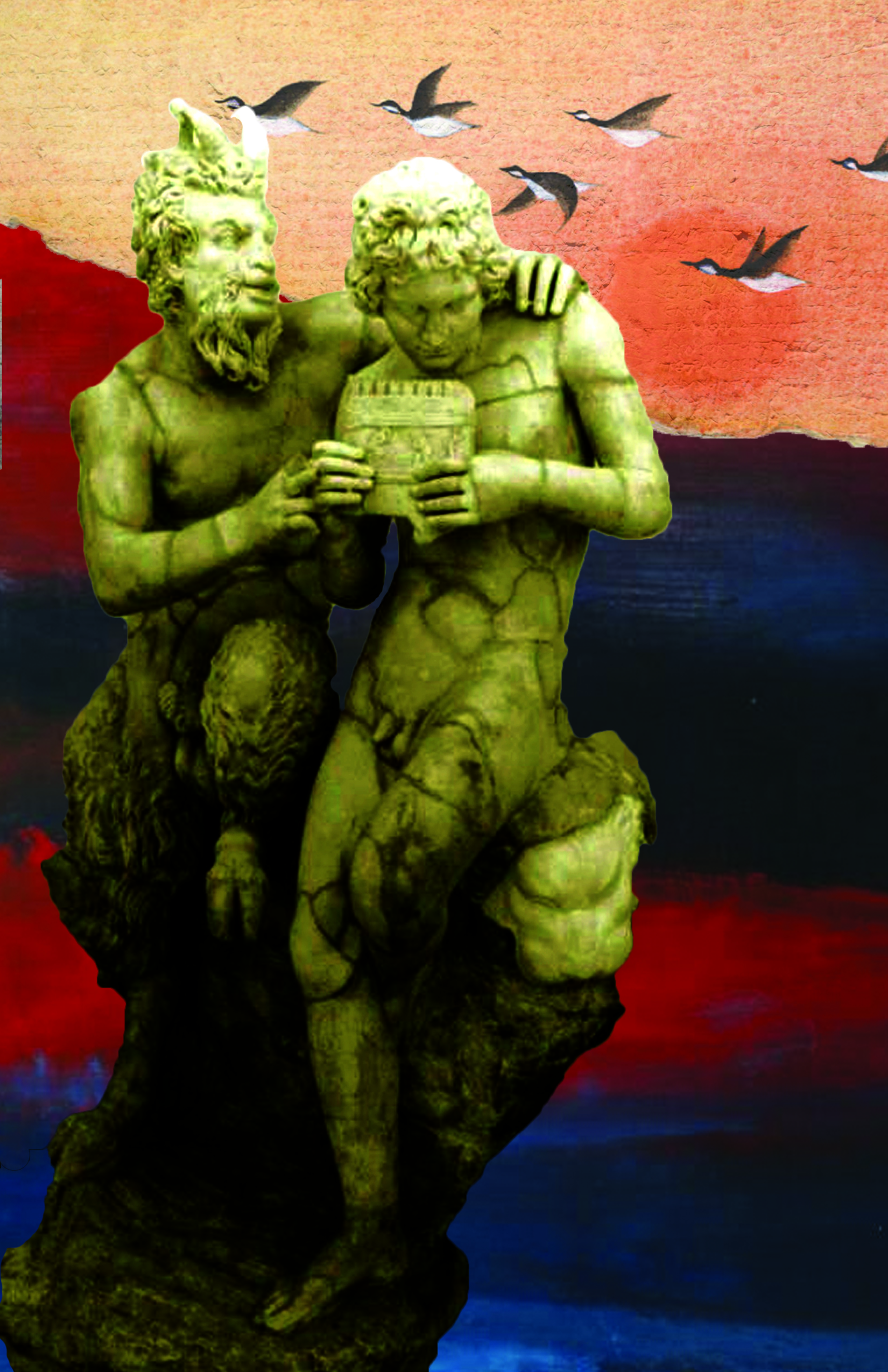
A Note on Pan After Pan The interesting Pan is perhaps not the Greek Pan at all, but the creature invented by people who thought they were recovering him. Around the turn of the twentieth century he becomes a remarkably flexible emblem: terror, erotic liberation, childhood, landscape, pagan survival, the nonhuman, and the sudden collapse of the civilized world.
Why would a child re-read Elidor? Alan Garner’s Elidor is a radically vicious piece of work. Garner has called it his anti-Narnian book. It is the portal fantasy, subjected to a truly hostile interrogation. Perhaps it was a necessary stepping stone that allowed him to dispense with the portal altogether in The Owl Service. It’s not satire. Garner internalized a form […]
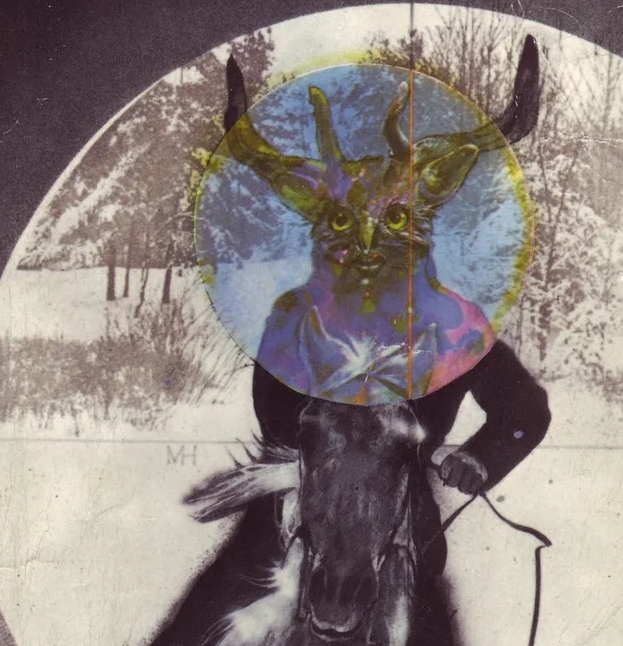
Herne’s Promotion How did a relatively obscure Windsor ghost acquire a horned head, a pack of supernatural hounds, and something approaching jurisdiction over the whole mythic English landscape? By the twentieth century, Herne can function almost as an indigenous British Pan—and, increasingly, as leader of an English version of the Wild Hunt. I want to trace exactly […]
What Does a Stone Remember? Standing stones in these stories are almost never merely archaeological remains. They store, conduct, witness, awaken, or distort. This is obviously a literary convention, but it seems connected to a broader imaginative refusal of the distinction between landscape and memory: the past is not represented by the place; somehow it remains in the place.